Vitamin D is unusual among nutrients: your skin makes it when exposed to ultraviolet B (UVB) light, and only a few foods supply meaningful amounts. That setup makes low levels surprisingly common, even in sunny places like Southern California. This article explains why adults often run low, how a blood test works, and how to approach the results.
What vitamin D does in the body
Vitamin D helps your body absorb calcium and phosphorus from food, which is essential for building and maintaining bone. It also plays roles in muscle function and immune signaling. The evidence is strongest for bone health: severe, prolonged deficiency causes rickets in children and osteomalacia (softened bones) in adults, and it contributes to bone loss in older adults.
You may see claims that vitamin D prevents or treats cancer, heart disease, depression, diabetes, or infections. Observational studies have linked low levels with these conditions, but large randomized trials in general adult populations have mostly not shown clear benefit from supplementing people who are not deficient. Low levels may be a marker of poor health, indoor lifestyle, or higher body weight rather than a direct cause.
Why so many adults run low
Several everyday factors reduce vitamin D status, and they often overlap:
- Limited sun exposure. Office work, indoor living, clothing that covers most skin, and consistent sunscreen use all reduce skin production. (Sun protection is still important for skin cancer prevention.)
- Latitude and season. In northern regions, winter sunlight is too weak to trigger much vitamin D synthesis.
- Darker skin. Melanin lowers UVB absorption, so people with more skin pigment generally need more sun time to make the same amount.
- Age. Older skin makes vitamin D less efficiently, and older adults often spend more time indoors.
- Higher body weight. Vitamin D is fat-soluble and can be sequestered in body fat, which often means lower blood levels.
- Digestive and absorption conditions. Celiac disease, Crohn’s disease, cystic fibrosis, and bariatric surgery such as gastric bypass can reduce absorption.
- Kidney or liver disease. These organs convert vitamin D into its active forms.
- Medications. Some anticonvulsants, glucocorticoids, rifampin, cholestyramine, and orlistat can lower levels or interfere with absorption or metabolism.
- Diet. Few foods are rich in vitamin D. Fatty fish (salmon, trout, mackerel, sardines), egg yolks, UV-exposed mushrooms, and fortified products such as milk, some plant milks, and some cereals are the main sources.
How vitamin D is tested
The standard test is a blood test for 25-hydroxyvitamin D, written as 25(OH)D. This is the main circulating form and the best available indicator of overall status, reflecting both sun exposure and intake from food and supplements. The result is reported in ng/mL (common in the U.S.) or nmol/L. To convert, multiply ng/mL by 2.5 to get nmol/L.
The test is not usually necessary for everyone. U.S. preventive guidance has found insufficient evidence to recommend routine screening in healthy adults without symptoms. Testing is more often considered when someone has risk factors, bone disease or fractures, a malabsorption condition, chronic kidney or liver disease, or unexplained bone or muscle symptoms. Some at-home finger-prick kits exist; results should be discussed with a clinician, and accuracy can vary between labs and methods.
How to read your results
Experts disagree somewhat about the ideal level, and cutoffs vary by organization. The ranges below follow the commonly cited framework from the NIH Office of Dietary Supplements:
| 25(OH)D level | General interpretation |
|---|---|
| Below 12 ng/mL (30 nmol/L) | Deficiency; raises concern for bone problems |
| 12 to 19 ng/mL (30 to 49 nmol/L) | Possibly inadequate for some people |
| 20 to 50 ng/mL (50 to 125 nmol/L) | Adequate for most healthy people |
| Above 50 ng/mL (125 nmol/L) | Possible adverse effects at the higher end; more is not better |
Some professional societies use a higher target, around 30 ng/mL, particularly for people at risk of bone loss. Because of these differences, your result should be interpreted alongside your age, health conditions, medications, and bone health, not in isolation.
Getting enough: food, sun, and supplements
The Recommended Dietary Allowance is 600 IU (15 mcg) daily for most adults up to age 70 and 800 IU (20 mcg) for adults over 70. The tolerable upper intake level for adults is 4,000 IU (100 mcg) per day from all sources, unless a clinician directs otherwise. People with documented deficiency are sometimes given higher short-term doses under medical supervision.
Supplements come mainly as vitamin D2 (ergocalciferol) and vitamin D3 (cholecalciferol). Both can raise blood levels, and D3 appears to raise and maintain levels somewhat more effectively in many studies. Because vitamin D is fat-soluble, taking it with a meal that contains some fat tends to improve absorption. Magnesium is involved in the enzymes that activate vitamin D, so overall nutritional status matters too. Vitamin K and calcium are often discussed alongside vitamin D for bone health, but the need for them depends on your diet and situation.
Supplements do not diagnose, treat, cure, or prevent any disease, and they are not a replacement for a balanced diet or for medical care of bone conditions.
Safety, interactions, and who should be careful
Vitamin D toxicity is uncommon and almost always results from excessive supplementation, not sun or food. Very high intake can cause hypercalcemia (too much calcium in the blood), leading to nausea, vomiting, weakness, frequent urination, kidney problems, and heart rhythm changes.
- Thiazide diuretics reduce calcium excretion, so combining them with high-dose vitamin D and calcium may raise calcium too much.
- Digoxin can become riskier if calcium levels rise.
- Corticosteroids can impair vitamin D metabolism and calcium absorption.
- Orlistat, cholestyramine, and some anticonvulsants can reduce vitamin D absorption or levels.
- People with sarcoidosis, hyperparathyroidism, a history of kidney stones, or kidney disease should use vitamin D only with medical guidance.
- Pregnancy and breastfeeding call for individualized advice, and infants have separate recommendations.
When to see a healthcare provider
- You have persistent bone pain, muscle weakness, frequent falls, or a recent fracture.
- You have a digestive, kidney, or liver condition, or have had weight-loss surgery.
- You take medications known to affect vitamin D or calcium.
- You are considering supplements above 4,000 IU per day or have had a very high or very low test result.
- You develop symptoms of too much calcium, such as nausea, excessive thirst, frequent urination, or confusion, after starting a supplement.
Key takeaways
- Low vitamin D is common because skin production depends on sun, skin tone, age, and body size, and few foods contain much of it.
- The 25(OH)D blood test is the standard way to check your level, but routine testing is not recommended for everyone.
- Levels of about 20 to 50 ng/mL (50 to 125 nmol/L) are considered adequate for most people, though experts differ on ideal targets.
- The strongest evidence for vitamin D is for bone health; claims beyond that are limited or mixed.
- More is not better: stay within established intake limits unless a clinician advises otherwise, and review medications and health conditions before supplementing.
Further reading
From the Zasium shop
-
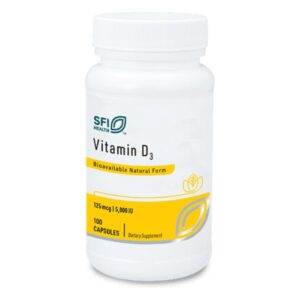 Klaire Labs
Vitamin D3 (125 mcg | 5,000 IU)
$20.99 Add to cart -
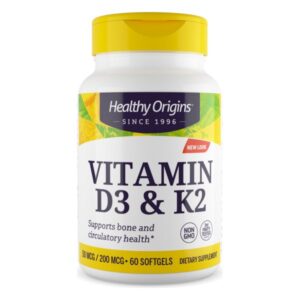 Healthy Origins USA
Vitamin D3 & K2
Price range: $18.99 through $34.99 Select options This product has multiple variants. The options may be chosen on the product page -
 Klaire Labs
Magnesium Glycinate Complex
$18.99 Add to cart -
 Klaire Labs
Magnesium Citrate
$18.99 Add to cart
Medical disclaimer: This article is for general education and is not medical advice. It does not replace a visit with a qualified healthcare provider. Statements about dietary supplements have not been evaluated by the Food and Drug Administration; these products are not intended to diagnose, treat, cure or prevent any disease. Talk with your provider before starting a supplement, especially if you are pregnant, nursing, taking medication or managing a health condition.